In the ever-evolving landscape of blockchain technology, Ethereum stands out as more than just a cryptocurrency—it’s a decentralized platform, a digital economy, and a hub for innovation. But who exactly are the people engaging with it? The answer is as diverse as the ecosystem itself. From tech enthusiasts to traditional investors, and from artists to developers, Ethereum’s community spans a wide spectrum of individuals, each driven by unique goals. Let’s explore the key groups shaping and participating in the Ethereum ecosystem.
Crypto Enthusiasts and Investors: The Speculators and Believers
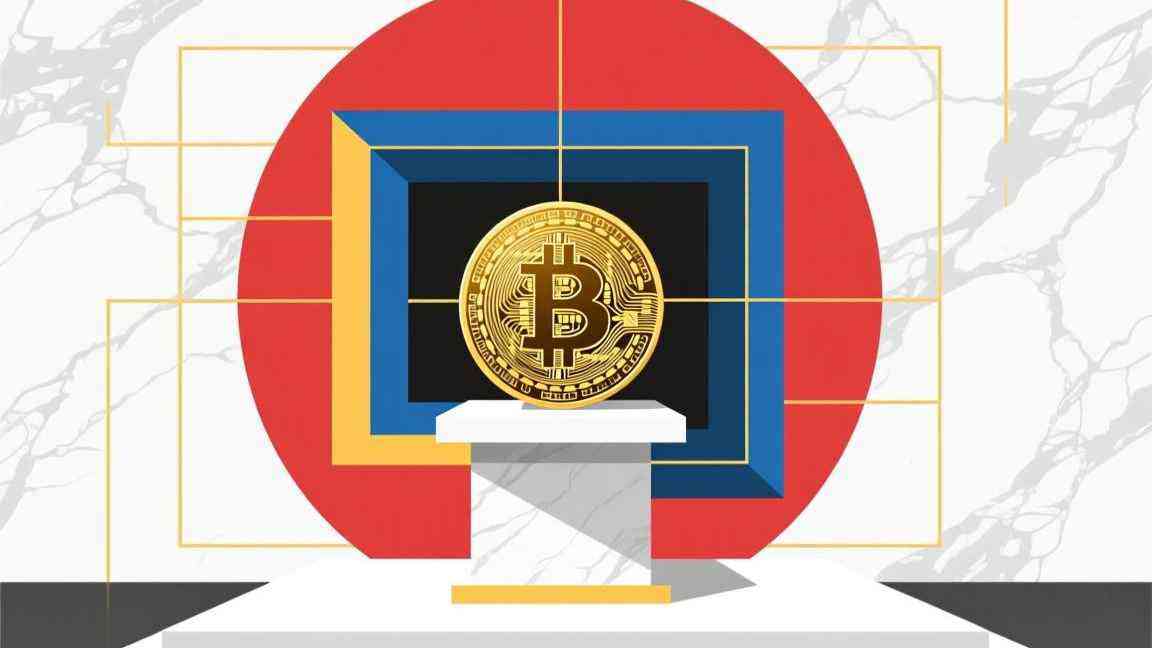
At the core of Ethereum’s user base are crypto enthusiasts and investors. For many, Ethereum is a high-potential asset, second only to Bitcoin in market capitalization. These individuals—ranging from retail investors dipping their toes into digital assets to seasoned traders—buy, sell, and hold Ether (ETH), betting on its long-term value. Some are drawn to Ethereum’s role as the “digital gold 2.0,”
Developers and Innovators: The Architects of Web3
Ethereo’s smart contract capabilities have turned it into a playground for developers. These tech-savvy individuals build decentralized applications (dApps) that power everything from decentralized finance (DeFi) platforms and non-fungible token (NFT) marketplaces to supply chain tools and social networks. Many developers are drawn to Ethereum’s open-source ethos, which allows them to create without relying on centralized intermediaries. For them, Ethereum isn’t just a platform—it’s a canvas to experiment with ideas like tokenization, governance, and digital ownership, pushing the boundaries of what’s possible with blockchain technology.
DeFi Users: Redefining Finance
Decentralized Finance (DeFi) has been a game-changer for Ethereum, attracting users seeking to bypass traditional banking systems. DeFi enthusiasts include:
- Yield Farmers: Who lend, borrow, or stake their crypto assets to earn high returns, often far exceeding those of traditional savings accounts.
- Traders: Who use decentralized exchanges (DEXs) like Uniswap to trade assets without intermediaries, enjoying 24/7 access and lower fees.
- Borrowers: Who take out collateralized loans in stablecoins (like USDC) without credit checks, leveraging their crypto holdings as capital.
For these users, Ethereum’s DeFi ecosystem represents financial inclusion—empowering the unbanked, reducing reliance on legacy institutions, and putting control back in the hands of individuals.
NFT Collectors and Digital Artists: The Creative Economy
Ethereo’s NFT boom has brought a wave of creatives and collectors into the fold. Digital artists use platforms like OpenSea or Rarible to tokenize their work, turning paintings, music, and even virtual real estate into unique, ownable assets. Collectors, ranging from casual buyers to serious investors, purchase NFTs as a form of self-expression, status symbol, or speculative investment. Beyond art, NFTs are being adopted for gaming (e.g., Axie Infinity), ticketing, and membership communities, blurring the lines between digital and physical ownership. For many, Ethereum’s NFT ecosystem is a revolution in how creativity is valued and traded.
Gamers and Virtual World Participants: The Metaverse Pioneers
As the concept of the metaverse gains traction, Ethereum is becoming a backbone for virtual worlds and blockchain-based games. Gamers engage with play-to-earn (P2E) games like The Sandbox or Decentraland, where they can earn crypto tokens or NFTs by completing tasks, trading assets, or even developing virtual land. These users aren’t just playing games—they’re building digital economies, with Ethereum enabling true ownership of in-game items and the ability to monetize their skills. For younger generations, Ethereum-powered gaming represents a new frontier of entertainment and income.
Traditional Institutions and Enterprises: The Latecomers with Deep Pockets
While Ethereum’s early adopters were often individuals, traditional institutions are now entering the fold. Banks, hedge funds, and corporations are exploring Ethereum for use cases like tokenizing real estate, streamlining supply chains, or issuing digital bonds. For example, JPMorgan and BlackRock have tested Ethereum-based solutions, recognizing its potential for efficiency and transparency. These institutions bring credibility and capital, bridging the gap between Web3 and the traditional economy.
Everyday Users: The Curious and the Cautious
Not everyone using Ethereum is a tech expert or high-stakes investor. Everyday users are dipping their toes in for practical reasons: sending low-cost cross-border payments, accessing exclusive NFT drops, or participating in decentralized governance (voting on protocol changes via DAOs). Some are simply curious, experimenting with wallets like MetaMask or dApps to understand how blockchain works. While barriers like technical complexity and volatility remain, Ethereum’s user base is gradually expanding beyond the crypto niche to include mainstream adopters.
Conclusion: A Tapestry of Users, United by Innovation
Ethereo’s community is a microcosm of the broader blockchain revolution—diverse, dynamic, and driven by a shared belief in a more open, decentralized future. Whether they’re developers building the next big dApp, investors chasing returns, or artists exploring new mediums, each user plays a role in shaping Ethereum’s trajectory. As the platform evolves with upgrades like Ethereum 2.0 (aiming to improve scalability and sustainability), its user base will only grow, bringing more people into the fold of Web3. In the end, the question isn’t just “who’s playing Ethereum?”—it’s “who will join next?”